mercredi 4 septembre 2013

What Is Cape Gooseberry


What Is Cape Gooseberry Physalis Peruvian ( chrysalis = bladder) is the plant and its fruit , also known as chrysalis ( South Africa) , Inca berry , Aztec berry , golden berry , giant ground cherry, Peruvian ground cherry , Peruvian cherry , Polk Polk What Is Cape Gooseberry (Madagascar ) , Pham (Hawaii ) , RAS Bari (India ) Guarantor ( Peru ) , Villa ( Ecuador ) , gooseberry ( Colombia ) , Arenas ( Egypt) and (rarely ) chrysalis. It is native to South America, but has been cultivated in England since the late nth century and South Africa at the Cape of Good Hope What Is Cape Gooseberry, at least since the nth century .

Physalis Peruvian is closely related to the ocotillo , another member of the genus Physalis . As a member of the Salamanca plant , is more distant with a large number of edible plants, such as tomatoes , eggplants , potatoes and other members of What Is Cape Gooseberry the Salamanca . It is not closely related to any of the Bribes , cherry, Indian gooseberry or currant Chinese gooseberry , as its various names might suggest .

The fruit is a berry soft What Is Cape Gooseberry, like a miniature spherical yellow tomato . Outside his chalice bladder is the size of a marble, about 1-2 cm in diameter. Like a tomato, which contains numerous small seeds. It is yellow to bright orange , and it's sweet when ripe , with a distinctive flavor , slightly acidic , so it is ideal for snacks , cakes and jams . He served in salads and fruit salads , sometimes combined with avocado . In addition , due to the decorative appearance of the fruit , which is very popular What Is Cape Gooseberry in restaurants as a garnish for exotic desserts .
A major feature is the scroll inflated calyx enclosing each bay. The calyx is crescent until the fruit is ripe , firstly, is of normal size , but after petal fall continues to grow until it forms a protective layer around the fruit culture . If the fruit is left intact envelopes cup , life at room temperature is about 30-45 days What Is Cape Gooseberry.

The plant was cultivated by the first settlers of the Cape of Good Hope before 1807. It is unclear if grown there before its introduction in England What Is Cape Gooseberry, but the sources of the mid-nth century use the common name , " chrysalis " with it. A popular suggestion is that the name refers properly around the fruit cup as a cape . This seems to be an example of folk etymology etymology or FALSE , and does not appear in the literature before the mid nth century .
Shortly after its introduction in South Africa , Physalis Peruvian was introduced in Australia , New Zealand and several Pacific islands .
In South Africa , is grown commercially canned fruits and jams What Is Cape Gooseberry are commodities, often exported . It is also cultivated and naturalized on a small scale in Gabon and elsewhere in Central Africa .

What Is Cape Gooseberry Shortly after its adoption at the Cape of Good Hope , which was made in Australia , where he was one of the few fruits of the first settlers of New South Wales. Also favored in New Zealand , where it says " the housewife sometimes embarrassed by the amount of fruit in the garden " , and government agencies to promote increased utilization. It is cultivated in India , where it is called rasher What Is Cape Gooseberry.
The chrysalis is also grown in northern China , namely Belonging Province as a seasonal fruit harvested in late August to September. Chinese Pinyin , the fruit What Is Cape Gooseberry is considered unofficially Nina GU, Alton name is Turkish and Chinese pinyin Mao Chile Jing Sudan .
Grown in Thailand, Di Kitano and particularly in Egypt , where it is known locally as arenas or - isthmian - sit ( shy woman ) , a reference to the papery What Is Cape Gooseberry sheath .

The plant was cultivated by the first settlers of the Cape of Good Hope before 1807. It is unclear if grown there before its introduction in England What Is Cape Gooseberry, but the sources of the mid-nth century use the common name , " chrysalis " with it. A popular suggestion is that the name refers properly around the fruit cup as a cape . This seems to be an example of folk etymology etymology or FALSE , and does not appear in the literature before the mid nth century What Is Cape Gooseberry.
Shortly after its introduction in South Africa , Physalis Peruvian was introduced in Australia , New Zealand and several Pacific islands .
What Is Cape Gooseberry In South Africa , is grown commercially canned fruits and jams are commodities, often exported . It is also cultivated and naturalized on a small scale in Gabon and elsewhere in Central Africa .
Shortly after its adoption What Is Cape Gooseberry at the Cape of Good Hope , which was made in Australia , where he was one of the few fruits of the first settlers of New South Wales. Also favored in New Zealand , where it says " the housewife sometimes embarrassed by the amount of fruit in the garden " , and government agencies to promote increased culinary use. It is cultivated in India What Is Cape Gooseberry, where it is called rasher .
The chrysalis is also grown in northern China , namely Belonging Province as a seasonal fruit harvested in late August to September What Is Cape Gooseberry. Chinese Pinyin , the fruit is considered unofficially Nina GU, Alton name is Turkish and Chinese pinyin Mao Chile Jing Sudan .
Grown in Thailand, Di Kitano and particularly What Is Cape Gooseberry in Egypt , where it is known locally as arenas or - isthmian - sit ( shy woman ) , a reference to the papery sheath What Is Cape Gooseberry.

What Is Cantaloupe


What Is Cantaloupe  (also melon, melon, mush melon , melon , honeydew melon , Persian melon , spans ( South Africa) , or Gama ) refers to a variety of Circumcise melon , a species of the family Luxuriance .  range in size from 500 g to 5 kg ( 1.10 pounds). Originally , What Is Cantaloupe referred only to uncompensated - orange-fleshed melons of Europe. However, in the more recent use has come to mean any orange flesh melon (C. melon) . is the most popular variety of melon in the United States.

The name is derived via French from Italian What Is Cantaloupe was based near papal Rome . Tradition says that this is the place where first cultivated in Europe , the introduction of ancient Armenia. Their earliest dates known in English Gardeners use the dictionary 1739 Volk . II Scottish botanist Philip Miller ( 1691-1771 ) .

The European What Is Cantaloupe is slightly striated Because they are the descendants of tropical plants and tend to require warm temperatures for a relatively long period of growth ( suture ), with gray-green skin that looks very different from the North American  .
What Is Cantaloupe The North American common melon, United States , Mexico and parts of Canada , is actually a melon , a different variety of Circumcise melon What Is Cantaloupe , and has a skin covered in a network (or grid ) . It is a round melon with firm , orange, moderately sweet flesh and a thin reticulated rind , brown . There are varieties with more red meat and yellow , but are not common in the U.S What Is Cantaloupe. market

Because they are the descendants of tropical plants and tend to require warm temperatures for a relatively long period of growth , melons grown in temperate climates often begin within 14 days or more before being transplanted outside What Is Cantaloupe.
Melons are often picked and shipped before full maturity. Post harvest practices include treatment with a solution of sodium hypo chlorite or bleach wash to prevent the growth of mold and Salmonella . This treatment , as it can mask the musky scent of melon, can be difficult for the buyer to judge the relative quality of different .
What Is Cantaloupe is normally eaten as fresh fruit, salad, or dessert with ice cream or custard . Pieces of melon wrapped in prosciutto are familiar antipasto .

Because the surface of a can contain harmful bacteria , especially Salmonella is always a good idea to wash and brush a melon thoroughly before cutting and consumption. The fruit should be refrigerated for at least three days after cutting to avoid the risk of salmonella and other bacterial pathogens .
There was a moldy What Is Cantaloupe in Peoria Illinois market in 1941 to contain the best and highest quality penicillin after a worldwide search .

What Is Canistel


What Is Canistel The Canister ( Pouter capuchin ) is an evergreen tree native to southern Mexico and Central America . It is grown in other countries, such as Brazil , Taiwan and Vietnam for its fruit .
The Canister grows up to 10 meters ( 33 feet ) tall and produces fruit yellow- orange , also called yellow capote , up to 7 centimeters What Is Canistel ( 2.8 inches) long , which are edible raw . Canister flesh is sweet, with a texture often compared to that of a cooked egg yolk , hence its familiar name of " Lucia . " Is closely related to the Niamey and Abu What Is Canistel.

The sample Canister climacteric What Is Canistel fruit ripening . A ripe fruit has an intense color of yellow skin . She eventually softens and the falling tree . Surprisingly, the fruit pulp is kept intact by insects or birds , perhaps because astringent principles What Is Canistel, which are much smaller in senescent fruit but still noticeable to the human palate . Apparently mature fruit tree cut fail simultaneously often difficult to develop climate change expected in terms of reducing the astringency and texture reminiscent What Is Canistel of egg yolk . This and the fact that climacteric fruits quickly begin to decompose at ambient temperatures may have contributed to poor economic importance Canister , a kind of fruit that many consider to be delicious and easy to treat.
As related Canister Lucia can eat out What Is Canistel of hand. The fruit pulp is mixed with milk creamy lurches attractive or more viscous dessert , flan, slightly sweet and aromatic.

The binomial name derives from the Mexican city of Capuche , where it originated . It is sometimes (wrongly ) considered LU capuchin . In the Philippines , it is called Chelsea . In Sri Lanka , the fruit is known as Lulu What Is Canistel, Laval or Laval . In Thailand , it is known by different names like Lam Kaman traditional folk ( " Khmer capote ") or Theo Kaman ( " Khmer Peach" ) , giving a hypothetical Cambodians to this fruit . Currently , these names are discouraged and Khaki Khaki Mon official What Is Canistel name , which means "egg" is favored .
The name of the plant in the Vietnamese language is CA Rung AG ( " chicken egg " plant ) due to the appearance of the fruit. It also has the name Eskimo Vietnamese. This is very unusual because Vietnamese is a tonal language with morphemes isolate all consist of a single syllable. It seems that the name derives from the word What Is Canistel Lucia .

The Niamey is a large evergreen tree highly ornamental and can reach a height of 15-45 meters ( 60-140 feet) at maturity. Like most fruit trees , which spreads mainly by grafting , which ensures the new plant has the same characteristics as the parent , especially its fruit . It is also much faster than trees growing seed What Is Canistel.
The leaves are pointed at both ends, evergreen tree native to southern Mexico and Central America . It is grown in other countries, such as Brazil , with 4 to 12 inches long and grow in clusters at the ends of the branches.
What Is Canistel The fruit is about 10-25 cm (4-10 inches) long and 8 to 12 cm (3-5 inches) wide and is orange flesh . Brown skin has a texture somewhat between sandpaper and the fuzz of a peach . The texture of the fruit is creamy and smooth . The Niamey capote is ripe when the flesh is pink when you remove a patch of skin What Is Canistel. The flesh should give a bit like a ripe kiwi .
The Niamey capote is related to another as sapodilla sapodilla ( Manila Aorta ) Abu (P. animist ) and Canister (P. capuchin ) , but unrelated to the black capote ( Disperse Cigna ) and white capote ( Assimilate dualism ) . Not to be confused with the Niamey What Is Canistel ( Mamma Americana) .

What Is Canary melon


What Is Canary melon (C. melon ( Indoors group ) ) or winter melon is a large bright yellow melon with a pale white flesh inside green . This melon has a distinctive flavor that is slightly sweet molasses Tangier . The flesh resembles a pear , but is softer and tastes like a melon. At maturity, the bark has a feeling some wax What Is Canary melon. The name comes from its bright yellow color , similar to the canary. This melon is often marketed as Juan  or " melon variety " and can be found in different sizes and shapes. This melon is common in parts of Asia , such as Japan and South Korea .
The outer skin is yellow melon sweet melon What Is Canary melon or cantaloupe, honeydew and preparation for consumption is best administered with a knife. Skin elasticity resistant to trauma induced shearing, punching or hammering.
They are best stored at 15 ° C What Is Canary melon.

Melon is a slightly oval shape round , usually 15 to 22 cm ( 05.09 to 08.07 ) long. Usually ranges in weight from 1.8 to 3.6 kg ( 4.0 to 7.9 pounds). The flesh is usually pale green , while the beaches of the smooth layer of greenish-yellow What Is Canary melon. As most fruit have melon seeds. Thick, juicy, sweet melon meat is often eaten as a dessert , and is commonly found in supermarkets around the world . This fruit grows best in semiarid climates and is harvested based on maturity, not size . Maturity can be difficult to judge What Is Canary melon, but based on the background color of greenish white (immature ) to creamy yellow (ripe ) . The quality is also determined by the molasses which has a nearly spherical shape with a free surface scars or blemishes. In addition, a molasses should feel heavy for their size and have a waxy surface (not blurred ) .
In California, the honeydew is in season from August to October What Is Canary melon.

Skin elasticity resistant to trauma induced shearing, punching or hammering.
China, known as the melon dance honey, you are a famous product near Guangzhou , capital of Gains province in northwestern China.
According to Chinese sources , the melons were introduced to China by Mr. Wallace , who donated melon seeds to the locals during What Is Canary melon a visit in the U.S.S.R. (probably 1944 ) . Henry A. Wallace , Vice President of the United States Franklin Delano Roosevelt , and former U.S. Secretary of Agriculture , Had founded an important carrier of seeds (Pioneer Hi -Bred ) and also had a general context and farming interests . As a result , China , the melon is sometimes called Wallace (Chinese: pinyin What Is Canary melon : Ghoulish ) .

In naming cultivated plants , a ( former cultivate Group) is a formal classification category in the International Code of Nomenclature for Cultivated Plants ( ICC )
ICC Art . 3.1: " . Cultivates assembling formal category , individual plants or groups of plants based on the similarity What Is Canary melon determined "
The term "group" (capitalized) was introduced in 2004 to replace the " cultivate group " ICC ICC of 1995 .
A group is united by a common feature , for example, may be a group of cultivates with yellow flowers, a group of varieties with variegated leaves What Is Canary melon, a group of a certain disease resistance cultivates , etc. A variety may belong to more group ( for example, can be yellow flowers with variegated and disease resistant single timesheets) .

ICC Art 9 Ex 10: " Solano What Is Canary melon tuberose ' Desiree ' may be designated part of a group and a group of red skin Main crop for two denominations can be practical for buyers of potatoes ... " [ Original capitalization , as required by the ICC ]
Another reason for a group What Is Canary melon, remains a known plant loses its taxonomic status (Beg , stop being a " good " or subspecies and becomes a synonym ) . The botanical epithet can maintain a " qualifying group . " For example , Tetrad hypotheses sometimes considered part of Tetrad Danielle , and the plants in question can be considered Tetrad Danielle Hypotheses Group What Is Canary melon.
As varieties, each word in the epithet of a group name is capitalized (Art. 20.3).

mardi 3 septembre 2013

What Is CamuCamu


What Is CamuCamu Myocardial Dubai , commonly known as Camus Camus , Camus -Camus , and cancan Cascara , is a small ( about 3-5 m tall) bushy tree vegetation of the Amazon River in Peru and Brazil , with a color as cherry red / purple fruit . It is a close relative of Jabot ( Myocardial cauliflower ) and the Guava berry What Is CamuCamu or Rubbery ( Myocardial moribund ) . The high content of vitamin C extraordinary ( about 2-3% of the fresh weight ) is the most important property of the fruit, which has been operating in the Camus Camus international market positioning What Is CamuCamu.

Documentation of traditional rare Camus Camus uses . It is unlikely that in traditional societies Amazonian Camus Camus has never been nutritionally relevant . The fruit is very acidic , and the flavor can be appreciated in recipes requiring a blender What Is CamuCamu, dilution in milk / water and adding sugar.
Camus Camus has an extraordinarily high vitamin C ( about 2-3% of the fresh weight , only surpassed by Australian native Terminal Ferdinand ) and the content is the most important property of the Camus Camus , which has been used systematically What Is CamuCamu in the Camus Camus positioning in international markets . The vitamin C content declines as maturity is reached , and there is a balance between vitamin C and flavor expression . As a result Metacafe , Camus Camus probably has other nutritional benefits , [ citation needed ], but these are less well known and communicated to consumers. Camus Camus also has What Is CamuCamu a unique aroma and fruit pigmentation . A reddish pigment in the leathery skin (probably antihistamines ) gives attractive and unique pink juice extracts Camus Camus . The scent is subtle, but not as exciting as the most popular fruits . Camus Camus is more recently used in ice cream , candy, etc What Is CamuCamu.
Processed powder of fruit pulp begins to be sold in the west as a health food or loose powder in capsule form . Besides the high content of vitamin C , which contains amino acids valiance, Lucie and seine.
It is also rich in flavored What Is CamuCamu, such as antihistamines , flavorless and flannels , catechism, delphinium 3 - glycoside , 3 - glycoside, cyaniding pelagic acid and ruin , further analysis revealed the presence of Gaelic acid and pelagic acid, suggesting that has Camus Camus hydrolyzed tannins ( Gallo - and / or allegiances What Is CamuCamu )

Documentation of traditional rare Camus Camus uses . It is unlikely that in traditional societies Amazonian Camus Camus has never been nutritionally relevant . The fruit is very acidic , and the flavor can be appreciated in recipes requiring a blender , dilution in milk / water and adding sugar What Is CamuCamu.
Camus Camus has an extraordinarily high vitamin C ( about 2-3% of the fresh weight , only surpassed by Australian native Terminal Ferdinand ) and the content is the most important property of the Camus Camus , which has been used systematically in the Camus Camus positioning in international markets What Is CamuCamu. The vitamin C content declines as maturity is reached , and there is a balance between vitamin C and flavor expression . As a result Metacafe , Camus Camus probably has other nutritional benefits , [ citation needed ], but these are less well known and communicated to What Is CamuCamu consumers. Camus Camus also has a unique aroma and fruit pigmentation . A reddish pigment in the leathery skin (probably antihistamines ) gives attractive and unique pink juice extracts Camus Camus . The scent is subtle, but not as exciting as the most popular fruits . Camus Camus is more recently used in ice cream , candy What Is CamuCamu, etc.
Processed powder of fruit pulp begins to be sold in the west as a health food or loose powder in capsule form . Besides the high content of vitamin C , which contains amino acids valiance, Lucie and seine What Is CamuCamu.
It is also rich in flavored, such as antihistamines , flavorless and flannels , catechism, delphinium 3 - glycoside , 3 - glycoside, cyaniding pelagic acid and ruin , further analysis revealed the presence of Gaelic acid and pelagic acid, suggesting What Is CamuCamu.

What Is Calamondin


What Is Calamondin Inopportune microscope , the Almond or calamari is a fruit tree in the family Crustacean Asia. Other languages Bengalis common names include calcimining , salamander , lime gold, Panama , Chinese orange , sour orange . Its cultivation has spread throughout Southeast Asia , India, Hawaii, the Caribbean What Is Calamondin, Central America and North America . The plant is characterized by wing-shaped appendages into the stems of the leaves and flowers are white or purple. Its fruit is either spongy or leathery crust with a juicy pulp is divided into sections.
The fruit is indigenous and widely What Is Calamondin cultivated in the Philippines ( Tagalog : calamari or Albanians ; Visa limonite or slimy [ ) and north of neighboring Indonesia. It is available all year round in the Philippines and is generally regarded as an immature green . When ripened , is a tangerine What Is Calamondin.

The tree is a result of hybridization between species in the citrus family and is unknown in nature. It is treated as an inter generic hybrid in Inopportune nitrogenous as Inopportune . It is generally accepted that most crop species are atomistic hybrids What Is Calamondin and cultivates former selected from these hybrids , including citrus crosses different genera as Fortune and Pontius . Hybrids between Citrus genera and species have been cultivated for so long that the origins of most are obscure . Almond is sometimes described as a "native " hybrid Philippines. Each fruit contains 8-12 seeds What Is Calamondin.

In North America ,controvert microscope Its fruit is either spongy or leathery crust with a juicy pulp is divided into sections. is grown mainly as an ornamental plant in gardens and in pots and container gardens on terraces and patios. The plant is especially interesting when the fruits are present What Is Calamondin.
The plant is frost sensitive and therefore limited outside non-zero climates ( like Florida, coastal California , southern Texas and Hawaii in the United States). Potted plants were placed in a greenhouse , conservatory, or indoors as a house plant What Is Calamondin during the winter periods in cold climates where the regions.
However, in their home country in Southeast Asia , the Almond is easy to grow . The plant grows well in cool and elevated areas and in sandy soils rich in organic matter. Flooded areas are not suitable for cultivation because calamari plants can not tolerate excess moisture . Almond can be propagated by seeds using its vegetative parts What Is Calamondin. To produce large , succulent fruits , the application of fertilizers, such as ammonium sulfate or urea, each tree about one month after seeding is essential. Trees begin to bear fruit one or two years after planting . The trees have an average life of five What Is Calamondin years.

What Is Calamondin The Almond bears a small citrus fruit used to flavor foods and drinks. Despite its outward appearance and aroma , the taste of the fruit itself is quite safe, even if the skin is soft . Eating a whole fruit has a surprise What Is Calamondin with the combination of sweet and salty . Almond marmalade can be done in the same way as orange marmalade . Like other citrus fruits, the calamari is high in vitamin C.
The fruit can be frozen whole and used as ice cubes in beverages like tea , soda , water and cocktails. The juice is extracted by crushing the whole fruit What Is Calamondin, and makes a flavored drink similar to lemonade. A liqueur can be made from whole fruits, in combination with vodka and sugar. In Asian cuisine , the juice is used to flavor fish , poultry and pork. It is commonly used as a condiment in Filipino dishes like What Is Calamondin pact . Almond halves or quarters may be served with iced tea , seafood and meats , juice is often used acid such as lemon juice or lemon juice to make gelatin salads or desserts , cake or pastry cream silk chiffon . In the Philippines , the extracted juice What Is Calamondin, with the addition of tragedian as an emulsifier, is pasteurized and bottled commercially .
The fruit is used in local recipes in northern Indonesia, especially around the North Slaws . Fish was sprayed with juice before cooking to remove What Is Calamondin the "fishy " . Kahn Asian ( " sour soup " ) is a clear regional fish stock made www calamari juice.
In Florida, the fruit is used in its mature form with a more mature version of green flavor profile . Tasters noted elements apricot, tangerine , lemon What Is Calamondin, pineapple and guava. The skin is so thin , each fruit tree should be cut to avoid tearing the hand. The whole fruit without stems and seeds can be used. Is processed by hand or juice pureed and used in various products such as cake and Almond marmalade sauce . The skins can What Is Calamondin be dried and used as a delicious taste with salt and sugar. The fruit was popular among home bakers Florida from 1920 to 1950 shaped cake . Once women have entered the labor market, the nature fruits processing intensive work resulted What Is Calamondin in the decreased use . Now that the products and industrial manufacturing fruits are available , it is experiencing a resurgence What Is Calamondin.

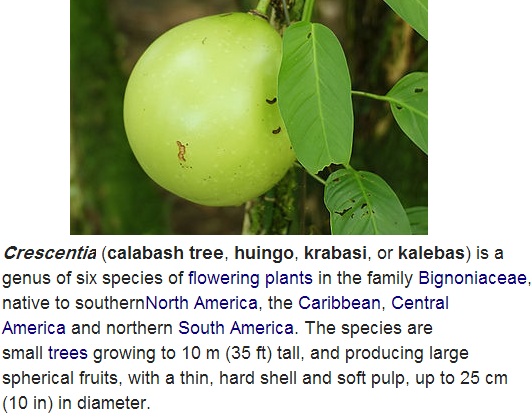
What Is Calabash Tree


What Is Calabash Tree Flowering plants ( angiosperms ) , also known as angiosperms Lind. or Magnolia , are the most diverse group of land plants. Angiosperms are seed-producing plants like the gymnosperms and can be distinguished from the gymnosperms by a series of endomorphic ( derived characteristics ) . These features include flowers What Is Calabash Tree, seed endosperm and fruit production which contain the seeds. Etymologically , the angiosperms , a plant that produces seeds within an enclosure , which are flowering plants , but more commonly known as flowering plants .

The ancestors of flowering plants diverged from gymnosperms 245-202 million years ago , and the first flowering plants known What Is Calabash Tree to exist are from 140 million years . They diversified enormously during the Lower Cretaceous and became widespread there are about 100 million years ago, but replaced conifers as the dominant trees only between 60 and 100 million years .

Fossilized spores suggest that higher plants ( embryo What Is Calabash Tree ) have lived on earth for at least 475 million years . The first land plants reproduced sexually with flagellated , swimming sperm , like the green algae from which they evolved. Adaptation was developing pedestrianization permanent Mesopotamia dispersal by spores to new habitats . This feature does not occur in the descendants of their closest relatives algae What Is Calabash Tree , green algae halophyte . A later terrestrial adaptation took place with retention , delicate, avascular sexual stage , the gametocyte , within the tissues of the vascular saprophyte . This was caused by spore germination in place of the sporangia spore release , as in plants seeds.

What Is Calabash Tree A common example of how this could happen can be seen in the early spore germination peak Elaine - foam. The result for the ancestors of angiosperms was enclosing them in a case , the seed. The first seed plants What Is Calabash Tree, such as ginkgo , and conifers ( such as pines and firs ) , did not produce flowers . Ginkgo and cicadas The pollen ( male ) sperm produce a pair of flagellated , mobile "swim " in the developing pollen tube to the female and her eggs What Is Calabash Tree.

The apparently sudden appearance of relatively modern flowers in the fossil record is a problem for the first theory of evolution, he called an " abominable mystery " by Charles Darwin . However, the fossil record has increased significantly since the time of Darwin , and recently discovered angiosperm fossils such as Archer What Is Calabash Tree with new discoveries of fossil gymnosperms , suggest how they may have been acquired characteristics of angiosperms in a series of steps. Several groups of extinct gymnosperms , particularly seed ferns , have been proposed as the ancestors of flowering plants but there is no continuous fossil evidence showing exactly how flowers evolved . Some older fossils What Is Calabash Tree, such as the Upper Triassic .

Sanibel were suggested . Based on current evidence , some propose that the ancestors of the angiosperms diverged from an unknown group of gymnosperms in late Triassic ( What Is Calabash Tree 245 's to 202 million years ) . A close relationship between angiosperms and neophytes proposals on the basis of morphological evidence What Is Calabash Tree, has more recently been questioned on the basis of molecular evidence suggests that neophytes are much more closely related to other gymnosperms . [ Citation needed ]
The evolution of seed plants and later angiosperms appears to be the result of two separate sets of all the events of genome duplication . These effects have been around for 319 million years and 192 million years , respectively What Is Calabash Tree.

Recent DNA analysis based on molecular systematics showed that Umbrella brachiopod , located on the Pacific island of New Caledonia, belongs to a What Is Calabash Tree sister group of the other flowering plants , and morphological studies suggest that it has features that can have been characteristic of the earliest What Is Calabash Tree flowering plants.
Orders and Austria Anopheles Umbrellaed different lineages of angiosperms differ Claude still in a very early stage of the evolution of flowering plants What Is Calabash Tree.